





Urea Formaldehyde Foam Insulation UFFI
Urea formaldehyde (UF), also referred to as urea-methanal is a thermosetting resin or polymer that is produced from urea and formaldehyde. Urea formaldehyde foam insulation or UFFI was developed in the 1950s, using a blowing agent this expanding foam product could be mixed on site and pumped into building cavities, benefitting from its hardwearing characteristics. It was later used extensively during the energy crisis of the 1970's in Europe, the UK, Canada and America.
Through fears of off-gassing it was banned in the Canada in the 1980's and later in the US, it was never banned in Europe. Urea formaldehyde (UF) is considered as a formaldehyde releaser, which means it releases or off-gasses formaldehyde to varying degrees and concentrations over time. Formaldehyde being a known human carcinogen, is normally a concern only a higher levels, it is one of the most well-known volatile organic compounds, or VOCs but is present in many householdproducts in small amounts, for example naturally in all forms of timber.
As such products cotaining high levels of urea formaldehyde such as UFFI, paints and other products have been slowly phased out or reduced in many countries, whilst lower content products such as adhesives are regulated by country such as the EU REACH programme. Some evidence still suggests however that when first installed UFFI had the potential to release significant amounts of formaldehyde into the indoor air resulting in acute adverse health effects with levels dropping rapidly with time.
Today, today urea formaldehyde associated products are still produced, sometimes referred to as injection foam, dry-resinfoam, amino foam, aminoplast foam, tri-polymer foam, dry-resin foam and whilst they bear a relation specific productresearch should be carried out. Today, there are also more readily available possibilities and tools to measure VOCs in internal environments, post completion, aswell as more rigourous manufacturer regulations, in particularly those productsassociated with formaldehyde release..
Meanwhile research and develop of alternatives has also led to a number of formaldehyde free or no added formaldehyde(NAF) glue products becoming available as alternatives. In terms of types of rigid foam insulation productsthere are a of altenatives and yet a wider variety of othetr insulants products on the market.
[edit] Related articles on Designing Buildings
- Acrylic.
- Aircrete.
- Celotex RS5000 PIR insulation.
- Composites.
- Clean air.
- Grenfell Tower fire.
- Insulation.
- LPCB certification and Kingspan.
- Polyethylene.
- Polyurethane (PUR).
- Persistent organic pollutants (POP)
- Phenolic foam insulation.
- Polyurethane spray foam in structurally insulated panels and composite structures.
- SABRE.
- Transparent insulation materials.
- Types of insulation.
- Types of plastic in construction.
Featured articles
Check out some of the best features and news from Designing Buildings as well as key stories from around the web.
Connecting knowledge, technology and conservation
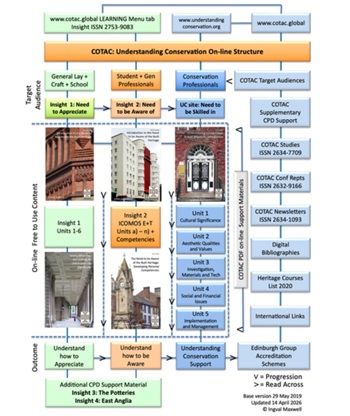
Building competence for the future of built heritage.
Building Regulations and Building Safety Act

CIOB publishes free advice for non-domestic clients.

Building Safety Newsletter from MHCLG.

An extraordinary record of steel engineering worldwide.

Households living near new pylons to save on bills.

ECA warns growth must not outpace grid capacity or skills.
The role of the client and decision making

CIOB response to built environment professions call for evidence.
Construction's sustainability reporting revolution
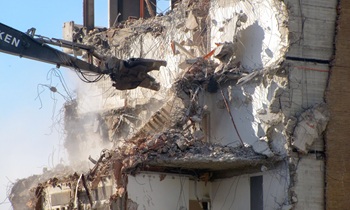
Tracking upfront embodied carbon with digital tools.
ECA welcomes procurement reforms
Public spending must back British jobs and skills.
Campaigning for Edinburgh: the Cockburn Association 1875-2049
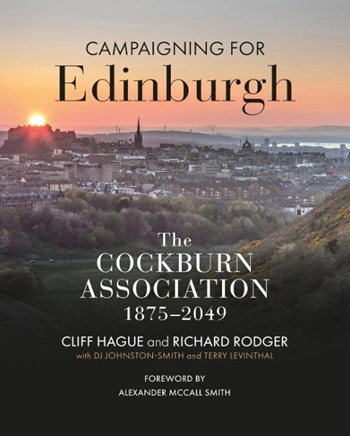
The role of the civic voice in protecting character. Book review.

CIOB photography competition is open for entries.
ECA Edmundson apprentice of the year award

Finalists announced.